Top 10 Famous Ghats Stairs in Varanasi
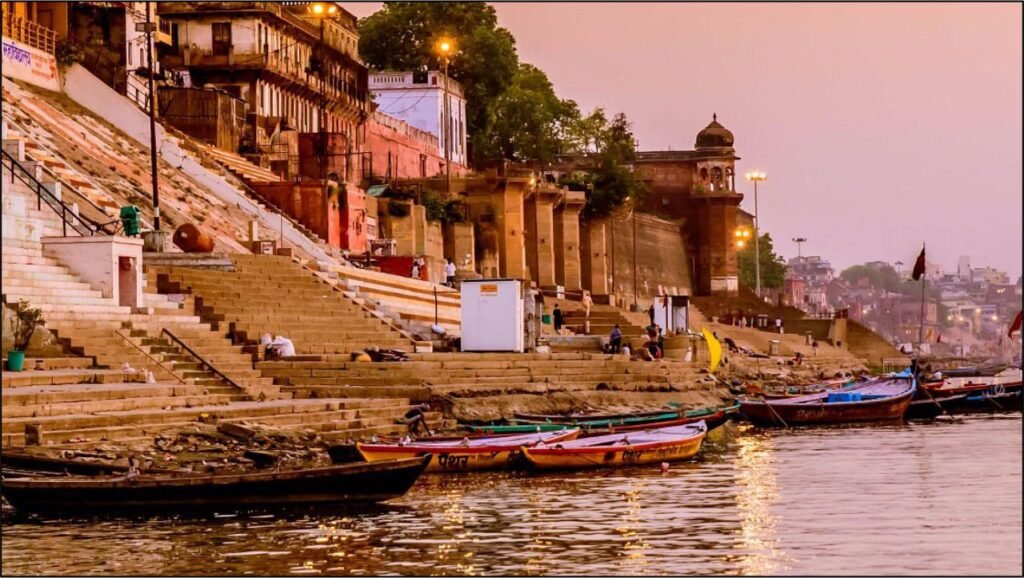
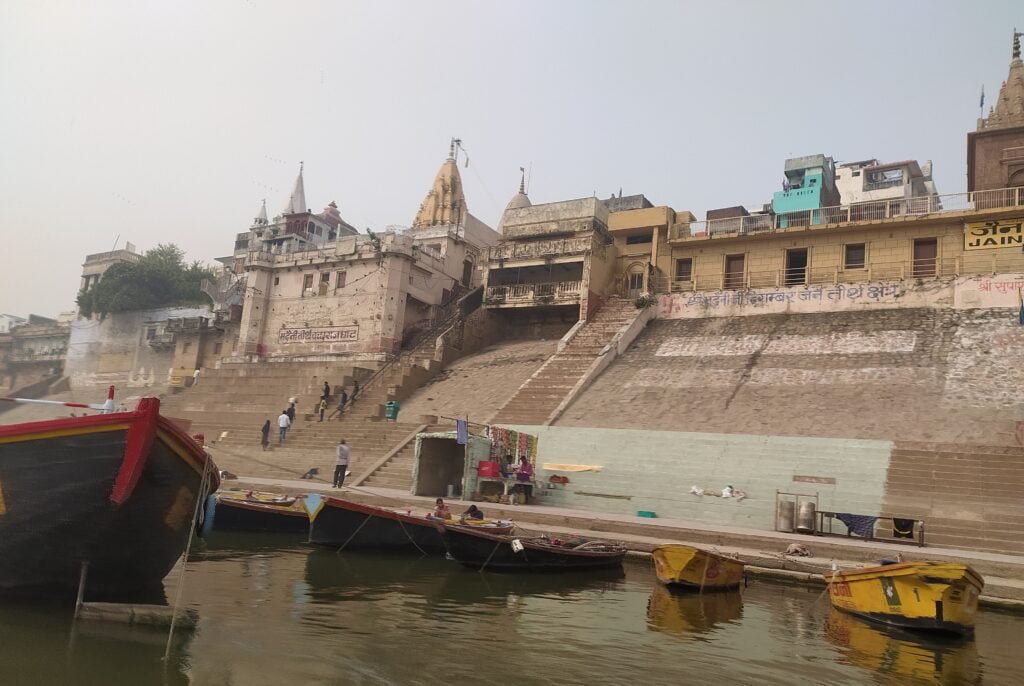
Varanasi is famous for its ghats, which are a series of steps leading down to the banks of the River Ganges. The ghats of Varanasi are an important cultural, religious, and historical landmark in the city. There are around 87 ghats in Varanasi, each with its own significance and purpose.

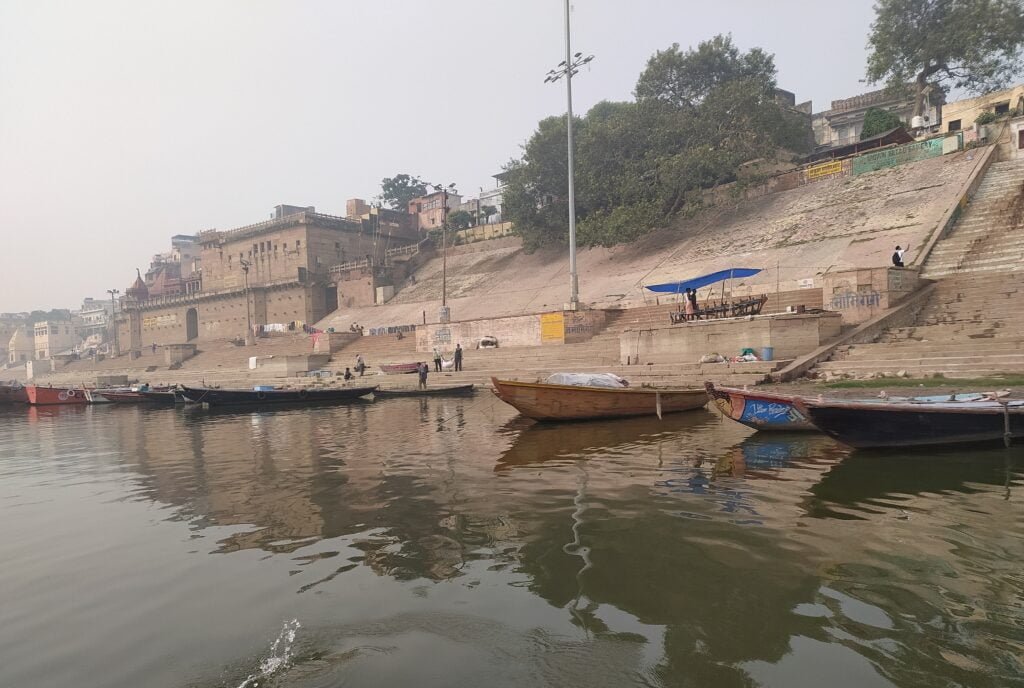
Dashashwamedh Ghat is believed to be the spot where Lord Brahma performed a grand sacrifice (yajna) and is also the main ghat for the famous Ganga Aarti ceremony that takes place every evening.
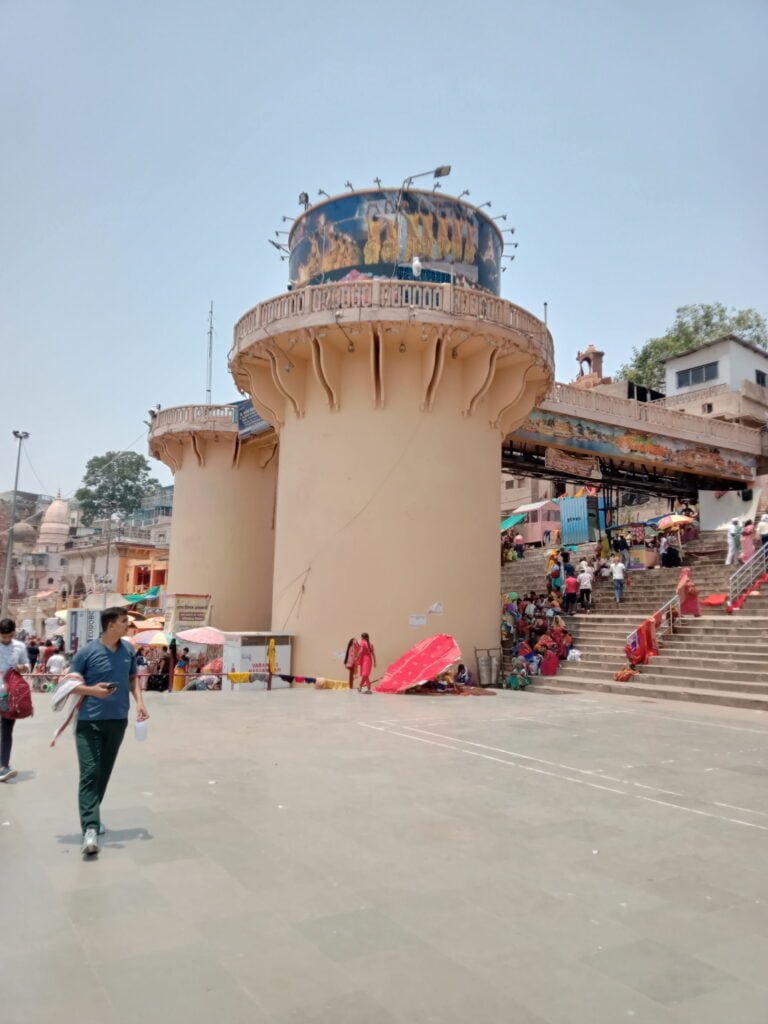

Manikarnika Ghat is believed that a person who is cremated here attains salvation (moksha). The ghat is constantly busy with funeral pyres burning day and night.
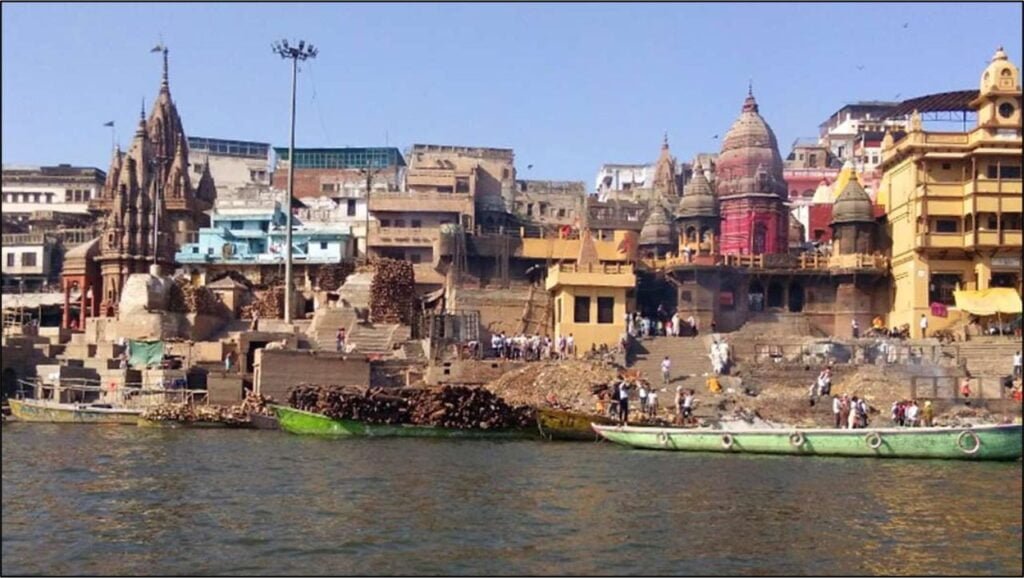
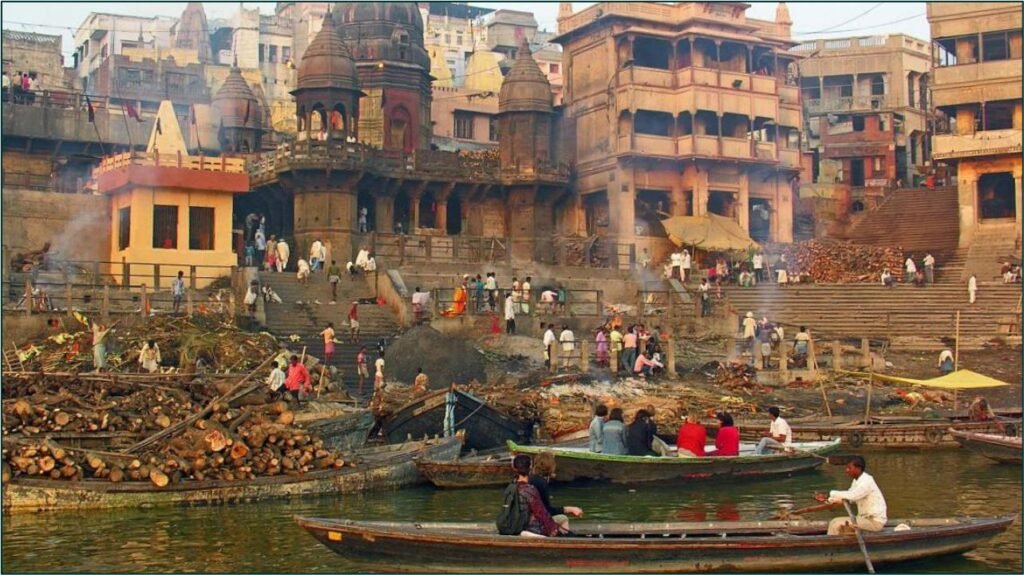
Situated at the confluence of the River Ganges and Assi River, this ghat holds religious and mythological significance. It is believed to be the spot where Lord Shiva, after slaying the demon Shumbha-Nishumbha, threw his sword into the river.
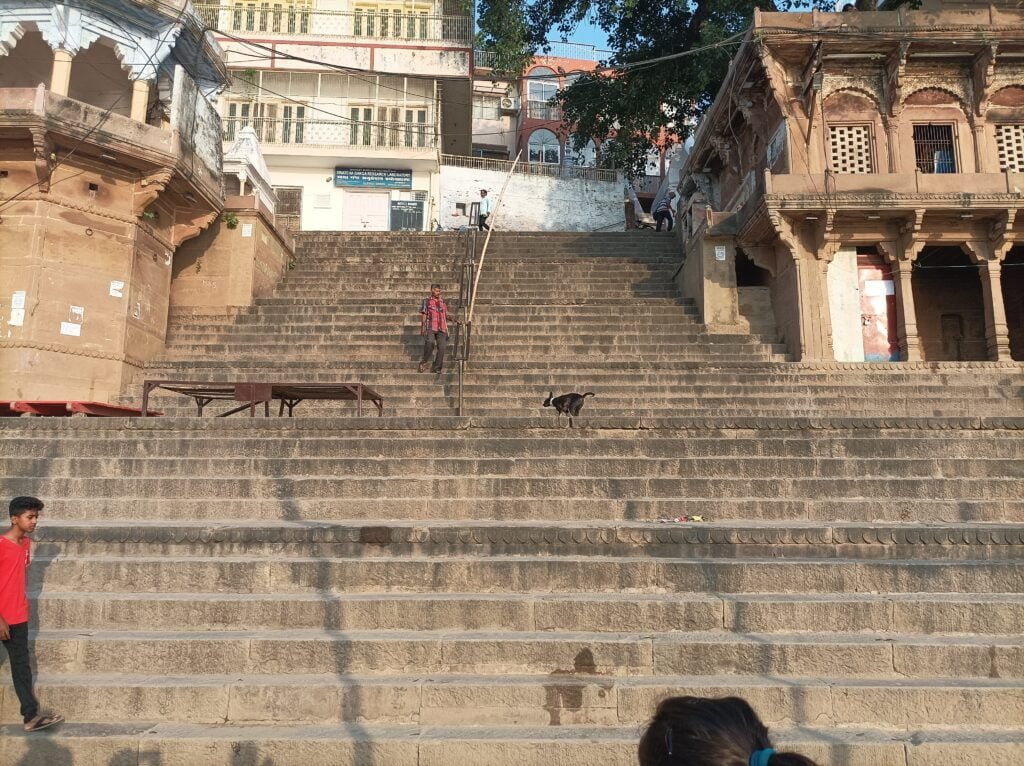
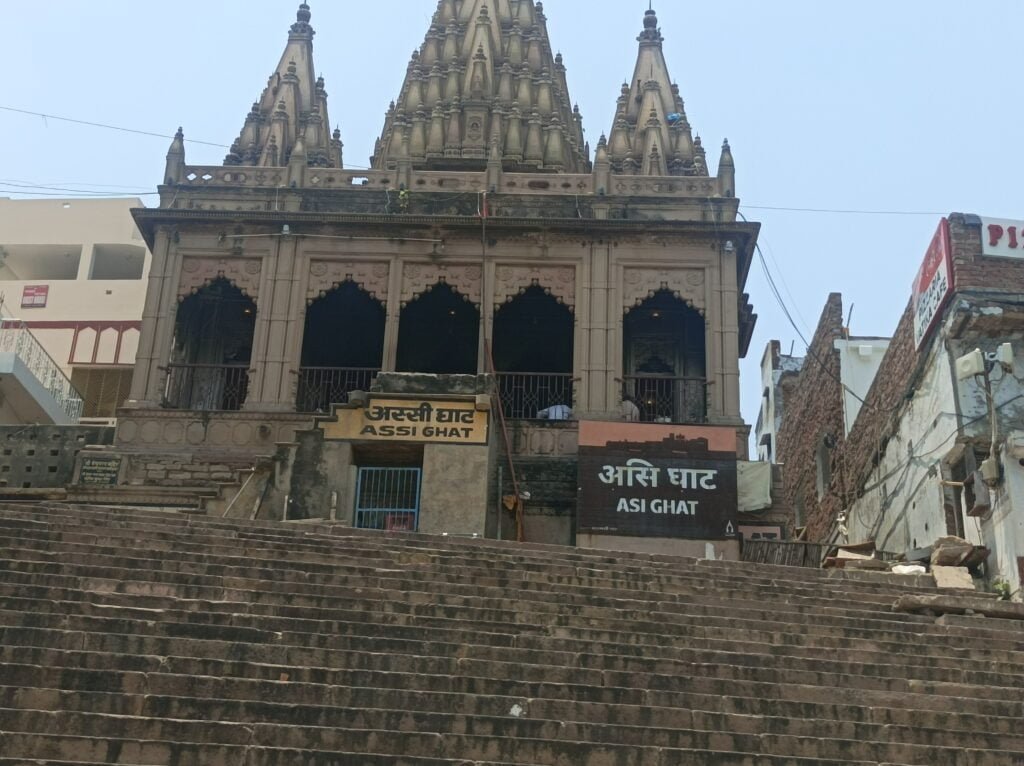
Located near the Malviya Bridge, this ghat is the confluence of five rivers: the Ganges, Yamuna, Saraswati, Kirana, and Dhutpapa. It is considered a sacred bathing spot for pilgrims.
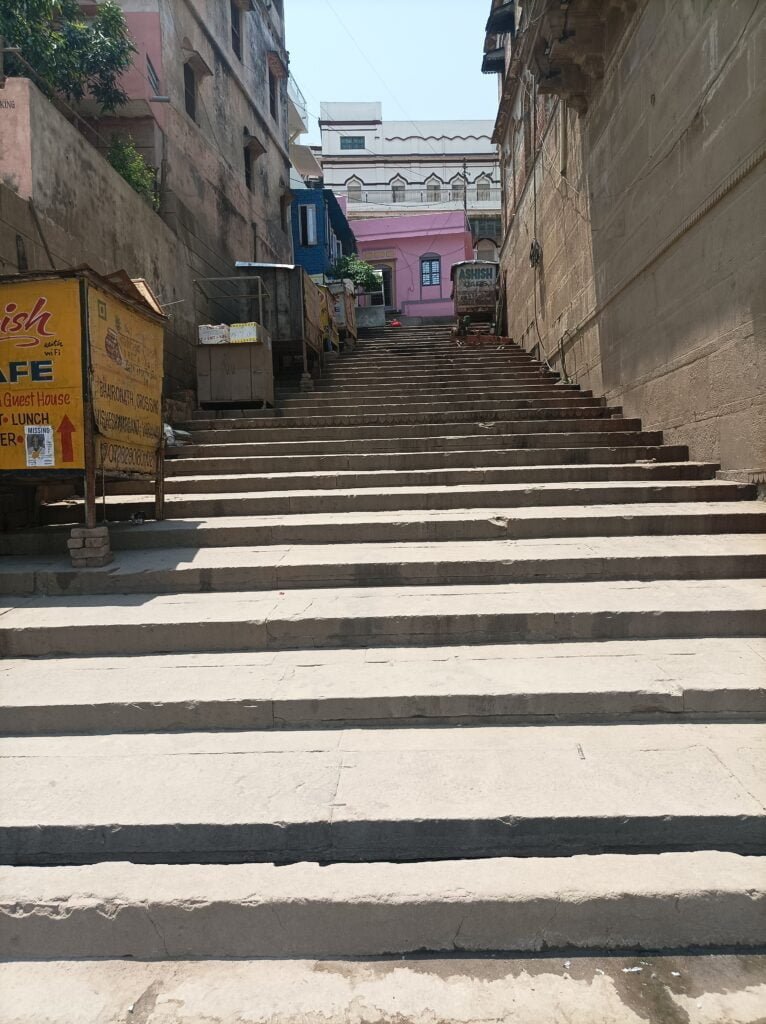
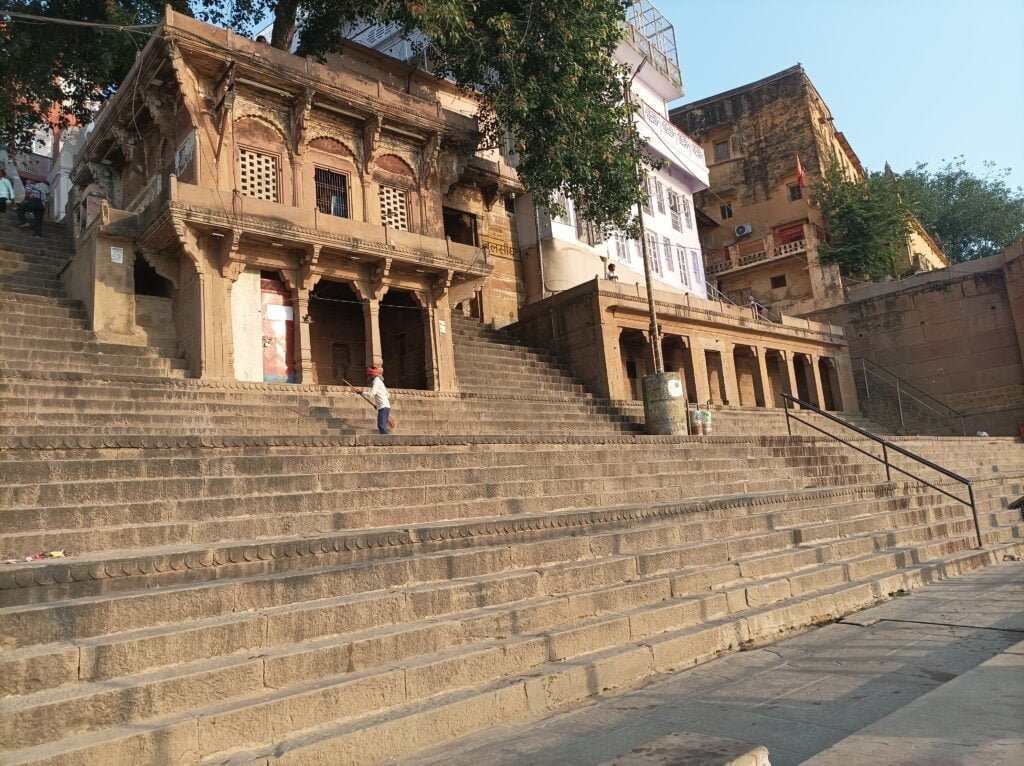
Each ghat has its own historical, religious, and cultural significance, and together they form a vibrant and integral part of the city’s identity. Visitors to Varanasi often explore the ghats by walking along the riverside or taking boat rides to experience the unique atmosphere and witness various rituals and ceremonies taking place along the riverbank.