Top 10 Famous Tourist Attractions Evening Aarti in Varanasi
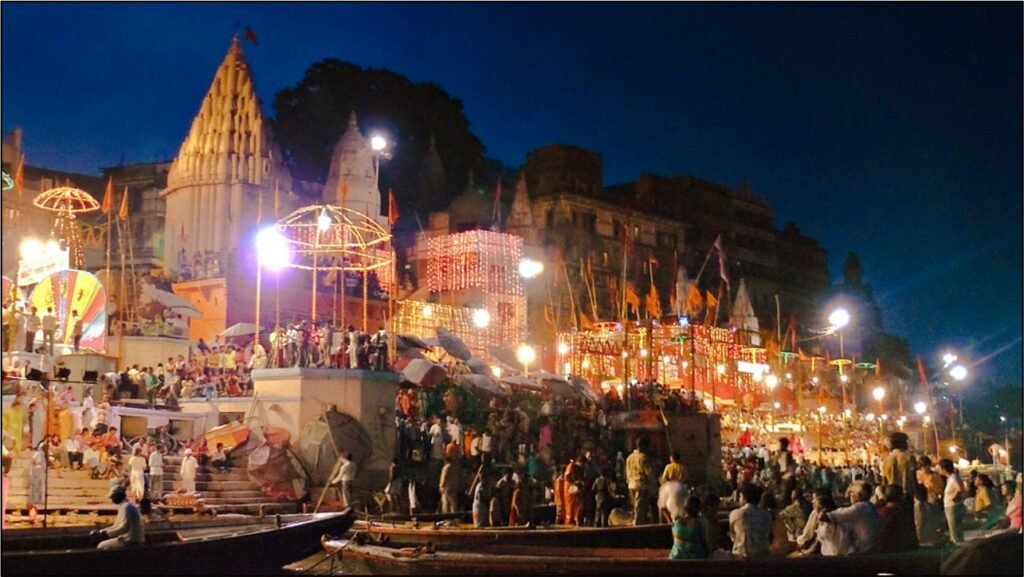
In Varanasi, also known as Kashi or Banaras, the evening Aarti (a Hindu ritual of worship) is a significant and mesmerizing event that takes place on the banks of the River Ganges. The evening Aarti is performed at the Dashashwamedh Ghat, one of the most popular and prominent ghats (steps leading to the river) in Varanasi.
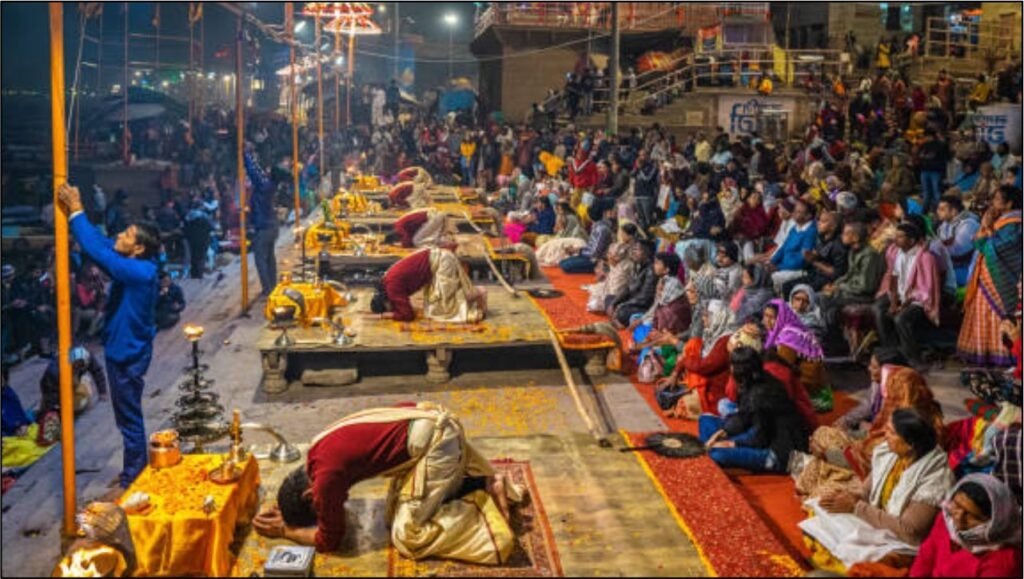
The Aarti ceremony usually starts after sunset, when the light of the day begins to fade. The exact timing may vary depending on the season and sunset time. Devotees, both locals and visitors, gather at the Dashashwamedh Ghat to witness and participate in this spiritual event.

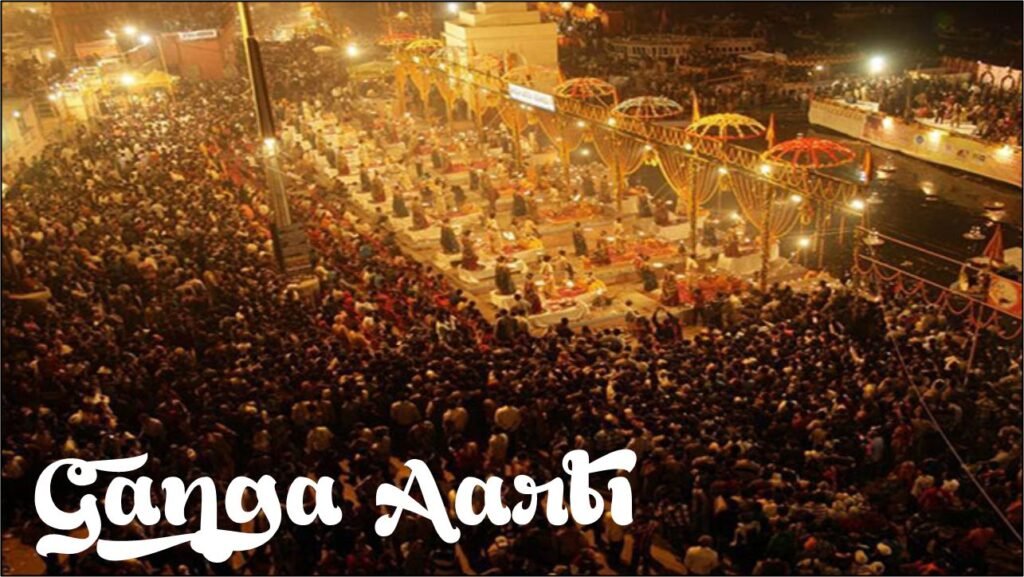
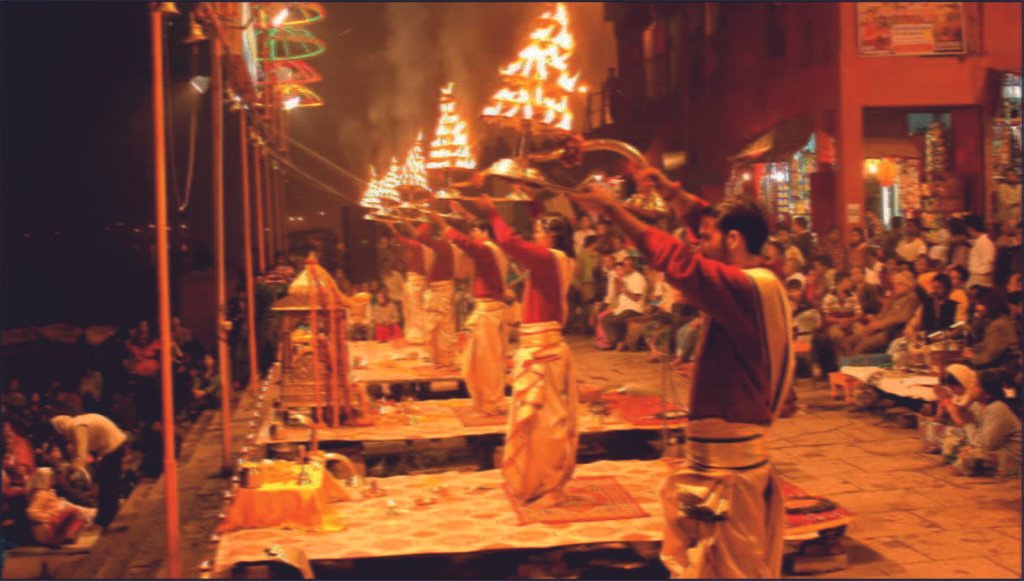
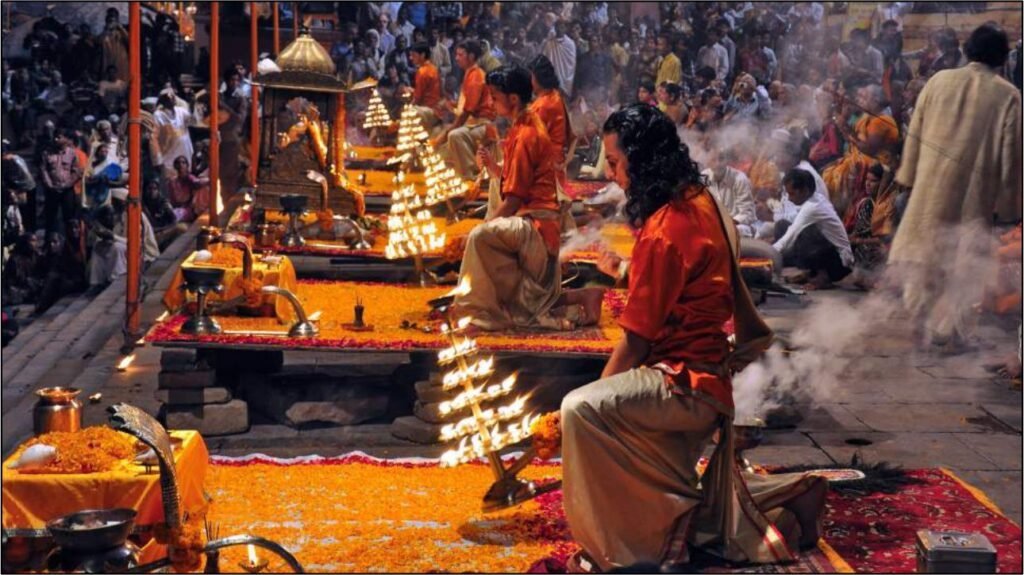
The Aarti is performed by a group of priests known as “Pandits.” They are dressed in traditional attire and carry large oil lamps, called “Aartis,” which are beautifully adorned with flowers, incense, and camphor. The lamps are lit, and the priests chant sacred hymns and prayers, accompanied by the ringing of bells and the beating of drums.
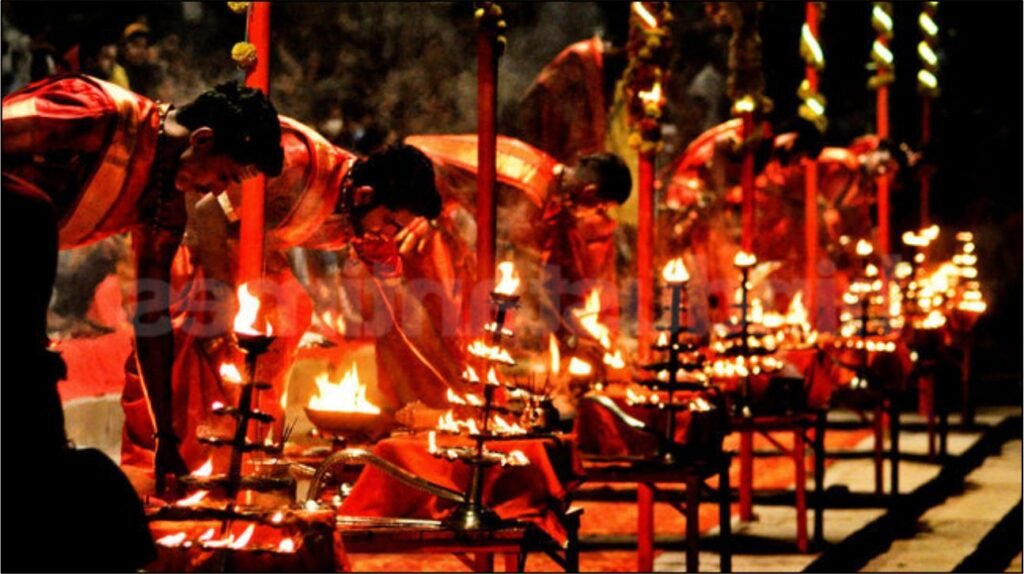
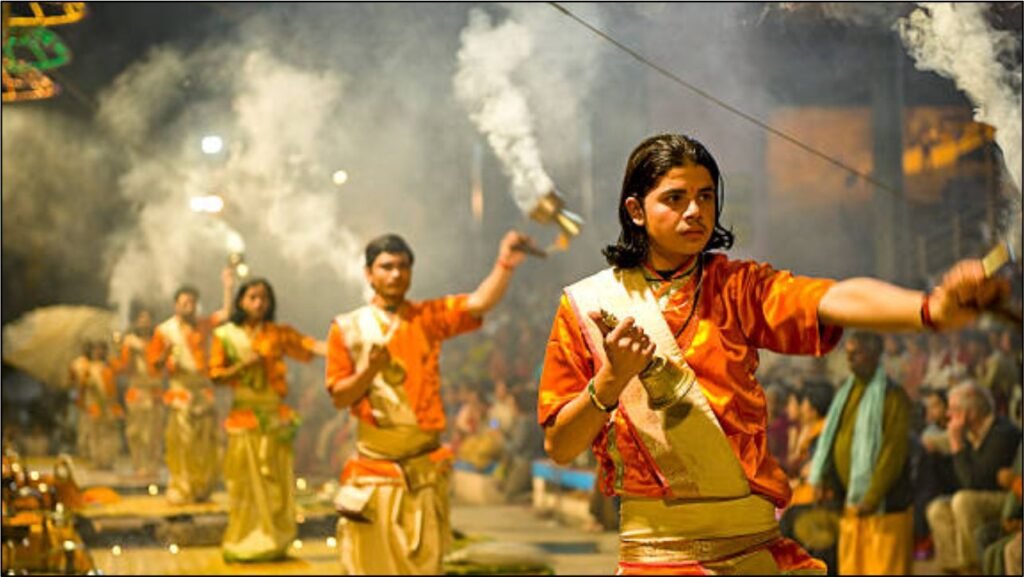
The Aarti ceremony follows a synchronized pattern, with the priests moving the Aartis in circular motions, creating a mesmerizing and rhythmic display. The energy and devotion of the priests and the devotees present create an atmosphere charged with spirituality and reverence.

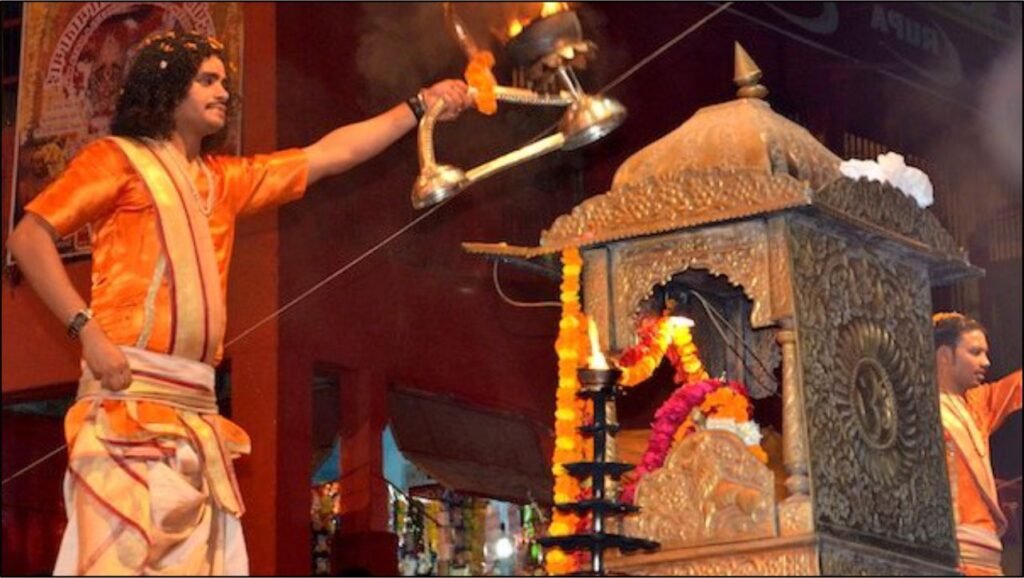
As the Aarti progresses, the priests offer prayers to the deities, especially Lord Shiva and the River Ganges. The river is considered sacred and worshipped as the embodiment of the divine goddess. The Aarti is a way of expressing gratitude and seeking blessings for the well-being of humanity and the environment. The entire ceremony is accompanied by the chanting of mantras, devotional songs, and the fragrance of incense filling the air. Devotees often participate by lighting small oil lamps or floating Diya’s (small lamps made of clay) on the river as an offering.
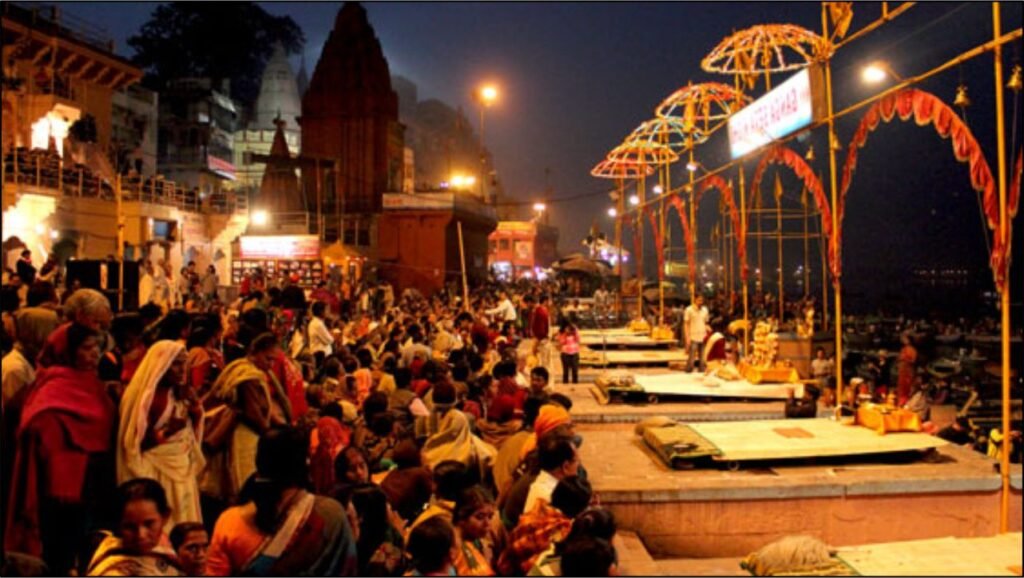
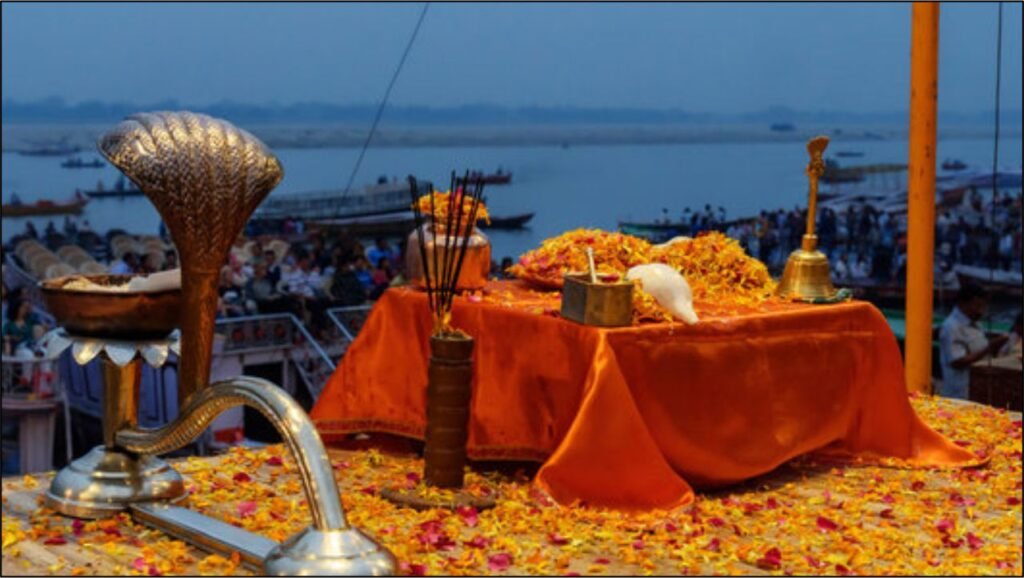
The evening Aarti in Varanasi is not only a religious ceremony but also a captivating cultural spectacle. It attracts numerous visitors who come to experience the spiritual ambiance and witness the grandeur of the event. The energy and devotion displayed during the Aarti leave a lasting impression on the minds of those who witness it.